
Swing Spring – Miles Davis
This simple, pedal-point "rhythm changes" variant is very recognizably a Miles Davis composition. It comes from a remarkable all-star recording in 1954 and has been recorded a few times since then, including by jazzleadsheets.com's Don Sickler.
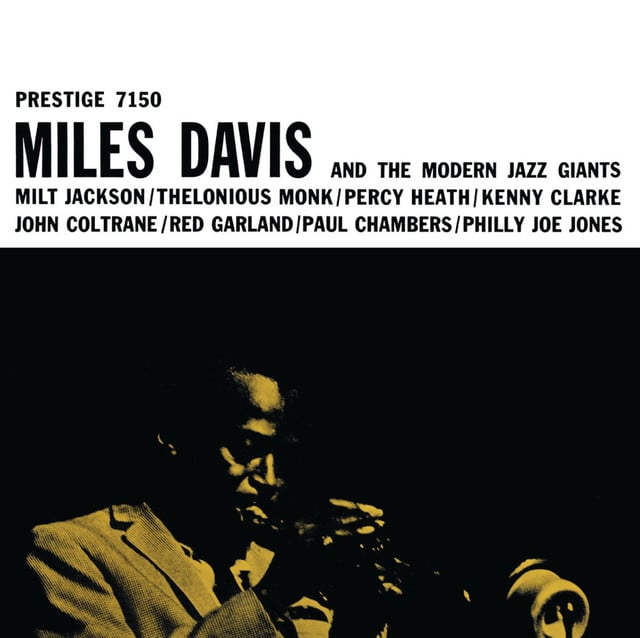

- Recording: Miles Davis - Miles Davis And The Modern Jazz Giants
- Recorded on: December 24, 1954
- Label: Prestige (PR 7150)
- Concert Key: B-flat
- Style: Swing (medium up)
- Trumpet - Miles Davis
- Vibes - Milt Jackson
- Piano - Thelonious Monk
- Bass - Percy Heath
- Drums - Kenny Clarke
This song is based on a simple two-measure riff that is very characteristic of Miles Davis. The melody riff, played over a static dominant pedal point, rises stepwise and then descends in thirds, with each note approached from a half step below. The fifth measure breaks up the pattern with some off-beat hits. The bridge, a variation of the "rhythm changes" bridge with some tritone substitutions, is open for improvisation.
There is an interlude (indicated as D on the lead sheet), eight measures long with the same dominant pedal on beats 2 and 4. It is only played once, between the head and the first solo. The sixth measure of this interlude is harmonized; on the recording, the vibes harmony notes are above the melody. Solos are on "rhythm changes"; the tritone substitutions in the bridge are occasionally used.
On this recording, Miles Davis and Milt Jackson play the melody in unison except on the sixth measure of the interlude and at the very end. The bridge on the in head has Milt and Miles trading 2s; on the out head Milt takes the whole bridge.
See the Description and Historical Notes for the next album, "Reflections," for information on how the lead sheet came about.
There is an interlude (indicated as D on the lead sheet), eight measures long with the same dominant pedal on beats 2 and 4. It is only played once, between the head and the first solo. The sixth measure of this interlude is harmonized; on the recording, the vibes harmony notes are above the melody. Solos are on "rhythm changes"; the tritone substitutions in the bridge are occasionally used.
On this recording, Miles Davis and Milt Jackson play the melody in unison except on the sixth measure of the interlude and at the very end. The bridge on the in head has Milt and Miles trading 2s; on the out head Milt takes the whole bridge.
See the Description and Historical Notes for the next album, "Reflections," for information on how the lead sheet came about.
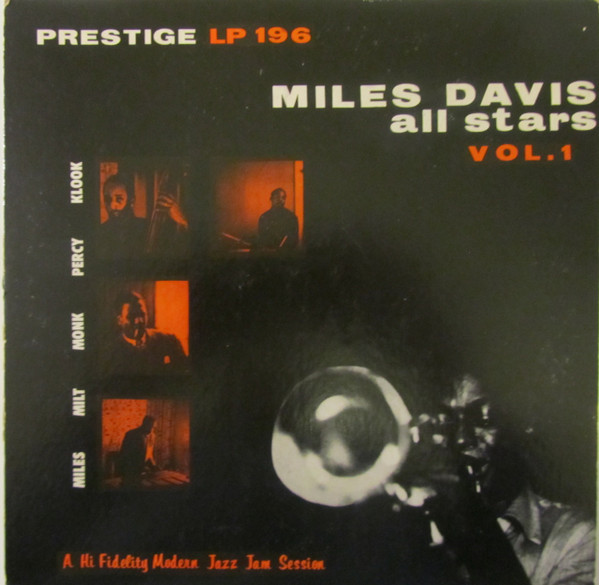
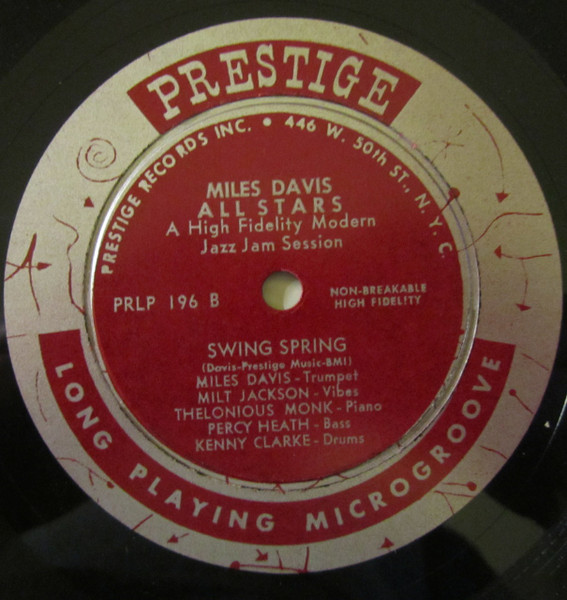
Miles recorded this track on December 24, 1954, in Rudy Van Gelder's Hackensack studio during a famous Christmas Eve session that also included Thelonious Monk (the only studio recording he made with Miles), and Miles' first recording with Milt Jackson. It was originally released on the 10-inch LP Miles Davis All Stars, Volume 1 and later included on the compilation album "Miles Davis and the Modern Jazz Giants."
At the Christmas Eve session, Miles Davis explicitly asked Thelonious Monk to "lay out" (stop comping) during his trumpet solos on the tracks Swing Spring and Bag's Groove. The original release (LP 196) included only those two tracks, one on each side of the record.
Milt Jackson did another studio recording with Miles, a 1955 session with Jackie McLean, Ray Bryant , Percy Heath, and Art Taylor.
At the Christmas Eve session, Miles Davis explicitly asked Thelonious Monk to "lay out" (stop comping) during his trumpet solos on the tracks Swing Spring and Bag's Groove. The original release (LP 196) included only those two tracks, one on each side of the record.
Milt Jackson did another studio recording with Miles, a 1955 session with Jackie McLean, Ray Bryant , Percy Heath, and Art Taylor.
- Recording: Don Sickler - Reflections
- Recorded on: March 27, 2000
- Label: HighNote (7062)
- Concert Key: B-flat
- Style: Swing (medium up)
- Trumpet - Don Sickler
- Alto Sax - Bobby Porcelli
- Piano - Ronnie Mathews
- Bass - Peter Washington
- Drums - Ben Riley
Don Sickler: I can't remember when I first heard Swing Spring. I know it was many years ago, and I know I was immediately attracted to it, and I immediately tried to figure it out and create a lead sheet.
Before putting Swing Spring up on jazzleadsheets.com I went over Miles' recording very carefully, and I realized that I had made a couple of rhythmic changes to Miles' melody in my lead sheet.
My original lead sheet showed the first entrance was the bass on the "and-of-4," setting up the melody entrance on the "and-of-one," just like the 3rd and 7th measures of the melody for the two opening A and C sections. The melodic notes in the opening two-measure phrase were always the same. The notes I got right, but I had changed the rhythm. On Miles' recording, Miles and the bass start on the downbeat of the 1st A, and on the "and-of-4" leading into the C section. I re-wrote my lead sheet; we're using Miles' lead sheet for both recordings.
This recording uses essentially the same arrangement as the original version. In the sixth measure of the interlude, the alto sax's harmony notes are below the trumpet melody, as shown on the E♭ lead sheet. Pianist Ronnie Mathews solos on the bridge of both the in and out heads. The end of the out head is slightly different, with A♭ in the melody instead of B♭.
Before putting Swing Spring up on jazzleadsheets.com I went over Miles' recording very carefully, and I realized that I had made a couple of rhythmic changes to Miles' melody in my lead sheet.
My original lead sheet showed the first entrance was the bass on the "and-of-4," setting up the melody entrance on the "and-of-one," just like the 3rd and 7th measures of the melody for the two opening A and C sections. The melodic notes in the opening two-measure phrase were always the same. The notes I got right, but I had changed the rhythm. On Miles' recording, Miles and the bass start on the downbeat of the 1st A, and on the "and-of-4" leading into the C section. I re-wrote my lead sheet; we're using Miles' lead sheet for both recordings.
This recording uses essentially the same arrangement as the original version. In the sixth measure of the interlude, the alto sax's harmony notes are below the trumpet melody, as shown on the E♭ lead sheet. Pianist Ronnie Mathews solos on the bridge of both the in and out heads. The end of the out head is slightly different, with A♭ in the melody instead of B♭.
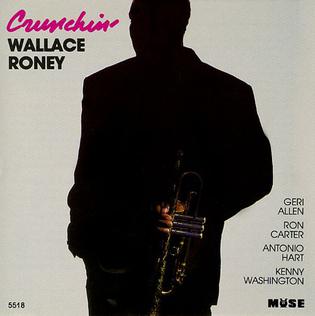
You can hear my altered rhythmic version: Joe Henderson (1992) on his Grammy Award winning album "So Near, So Far" and the next year, Wallace Roney (1993) on his "Crunchin'" album. I produced both of these sessions. Everyone on these sessions had my original lead sheet. In 2000, on my "Reflections" album, we did it the same way. 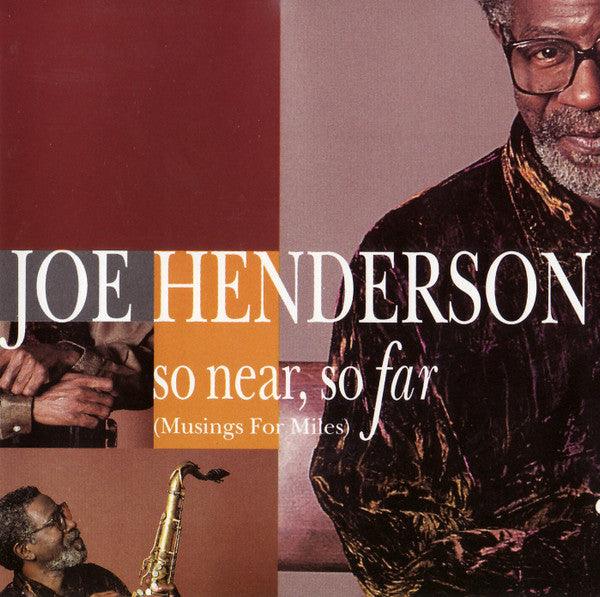
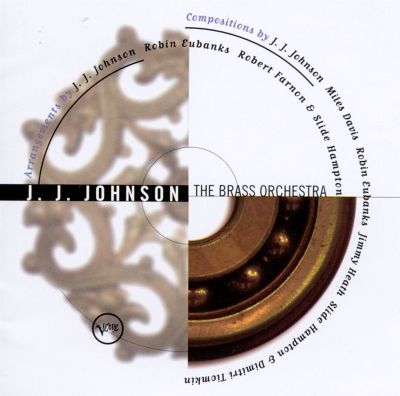
On J.J. Johnson's "The Brass Orchestra" (1996) album (which I also produced), J.J ingeniously came up with quite a few different harmonic and melodic variations, but J.J. started the melody on the downbeat. This was J.J's second arrangement of Swing Spring. His first was on his album "The Dynamic Sound Of J.J. With Big Band" (1964).
And lastly, if you want to hear another incredible Swing Spring arrangement (talking of taking liberties) check out the track on Kenny Clarke's 1956 album: clip "Kenny Clarke Plays André Hodeir." Clarke's is the first recording I've found of Swing Spring after Miles' original recording (which also featured Kenny Clarke on drums.)
On J.J. Johnson's "The Brass Orchestra" (1996) album (which I also produced), J.J ingeniously came up with quite a few different harmonic and melodic variations, but J.J. started the melody on the downbeat. This was J.J's second arrangement of Swing Spring. His first was on his album "The Dynamic Sound Of J.J. With Big Band" (1964).
And lastly, if you want to hear another incredible Swing Spring arrangement (talking of taking liberties) check out the track on Kenny Clarke's 1956 album: clip "Kenny Clarke Plays André Hodeir." Clarke's is the first recording I've found of Swing Spring after Miles' original recording (which also featured Kenny Clarke on drums.)
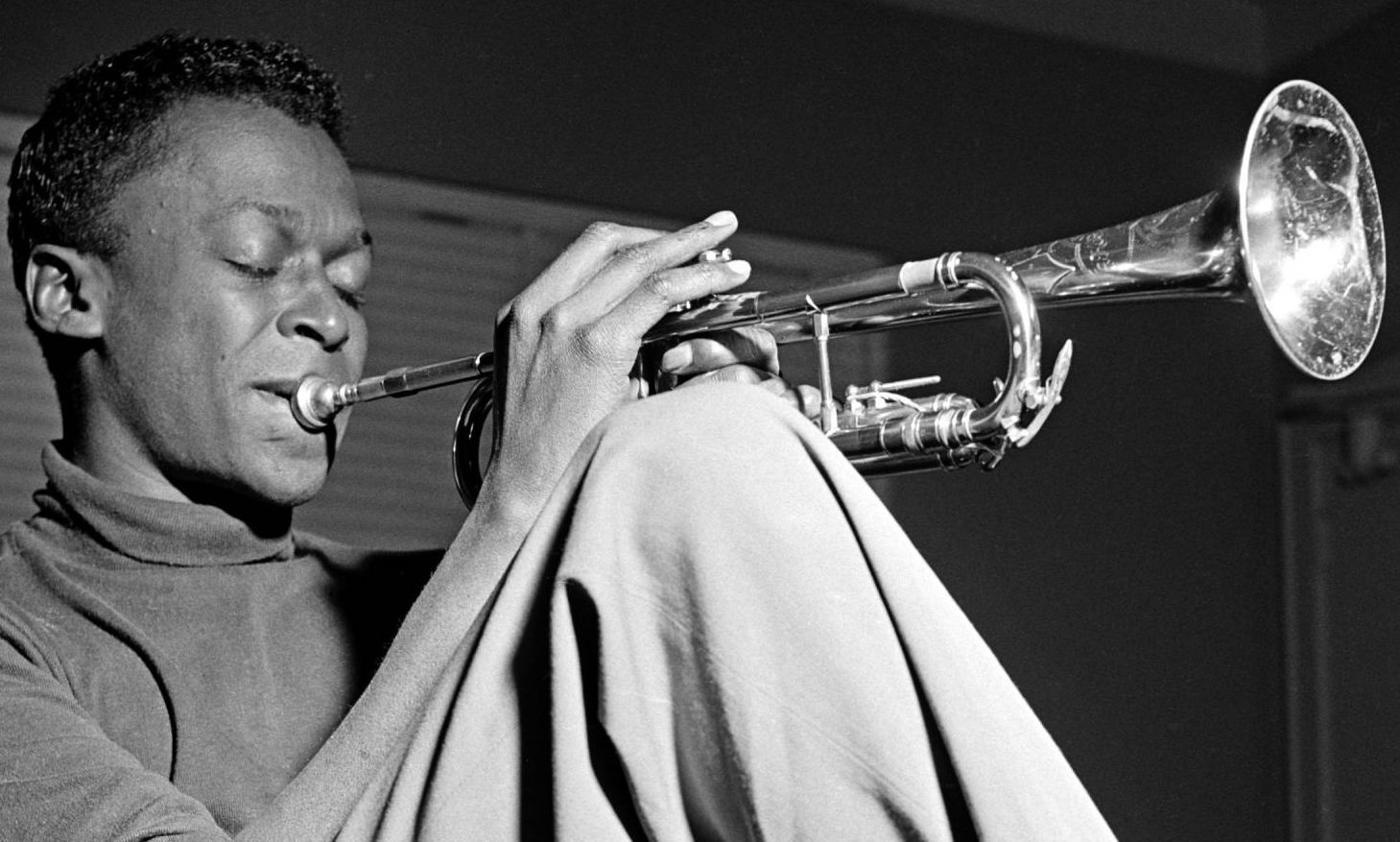
Miles Davis
May 26, 1926 – September 28, 1991
Miles Davis was without question among the most influential musicians in all of jazz history. As both soloist and bandleader, he defined the vanguard of jazz throughout his career and set the standard for nearly every major new development in the music for over forty years. His trumpet, open or with a Harmon mute, is one of the most instantly recognizable jazz sounds; his eloquent, economical style was quite unlike any trumpeter before him. Read more...