
Do I Ever Cross Your Mind? – Shelley Carrol
This song combines a simple theme and hard-driving swing with a subtly unusual form and chord progression. Alto sax 2nd and tenor sax 3rd parts are available reflecting the recorded arrangement.
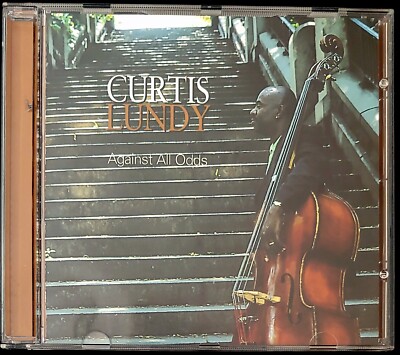

- Recording: Curtis Lundy - Against All Odds
- Recorded on: April 1 & 2, 1999
- Label: Justin Time (JUST 129-2)
- Concert Key: G minor, No key center
- Vocal Range: , to
- Style: Swing (medium)
- Trumpet - Peven Everett
- Alto Sax - Bobby Watson
- Tenor Sax - Shelley Carrol
- Piano - Anthony Wonsey
- Bass - Curtis Lundy
- Drums - Winard Harper
Video
- Description
- Historical Notes
- Solos
- Piano Corner
- Bass Corner
- Drum Corner
- Guitar Corner
- Inside & Beyond
- Minus You
A hard-bop swinger in an Art Blakey Jazz Messengers vein, Do I Ever Cross Your Mind? is subtly unusual in its form and chord structure. The melody starts with a simple, catchy theme utilizing “scoop” articulations—repeated notes with a pitch bend down in between. This theme is three measures instead of the expected four, resulting in a seven-measure repeated A section; this is followed by a 12-measure B section. The key center is slightly open-ended: either the beginning G minor or ending C minor of the A section could be the tonic, and we show no key signature. The B section resolves to four measures of C7sus, with a Latin 12/8 feel on the in head but continuing swing on the solos.
On the recording, Bobby Watson (alto sax) and Shelley Carrol (tenor sax) play fills together through these four measures below the trumpet melody note. For the coda, these four measures are replaced with an open vamp, swinging as in the solo choruses, alternating two measures each of B♭maj7/C (same as C7sus) and B♭m(maj7); this fades out on the recording, again with the alto and tenor improvising together.
For most of the melody on the recording, the horns play in octaves—trumpet and alto in unison above and tenor below. The melody certainly works in unison or octaves throughout, or with a single melody instrument. The only harmony in the recorded arrangement is on the first three measures. We have alto 2nd and tenor 3rd parts as recorded, with these harmony notes.
On the recording, Bobby Watson (alto sax) and Shelley Carrol (tenor sax) play fills together through these four measures below the trumpet melody note. For the coda, these four measures are replaced with an open vamp, swinging as in the solo choruses, alternating two measures each of B♭maj7/C (same as C7sus) and B♭m(maj7); this fades out on the recording, again with the alto and tenor improvising together.
For most of the melody on the recording, the horns play in octaves—trumpet and alto in unison above and tenor below. The melody certainly works in unison or octaves throughout, or with a single melody instrument. The only harmony in the recorded arrangement is on the first three measures. We have alto 2nd and tenor 3rd parts as recorded, with these harmony notes.
Other tracks on “Against All Odds” feature guest appearances from Roy Hargrove on trumpet, John Hicks on piano, and Carmen Lundy (Curtis Lundy’s sister) on vocals. This album is Shelley Carrol’s only recording so far with Bobby Watson. Later in April 1999, Bobby recorded with veteran swing violinist Claude Williams, alongside guitarist Joe Cohn.
Related Songs
Email Send Do I Ever Cross Your Mind? to a friend
Send this page to a friend via email. Add your name or email in the first field. In the second, add one or more email addresses, separated by a comma.
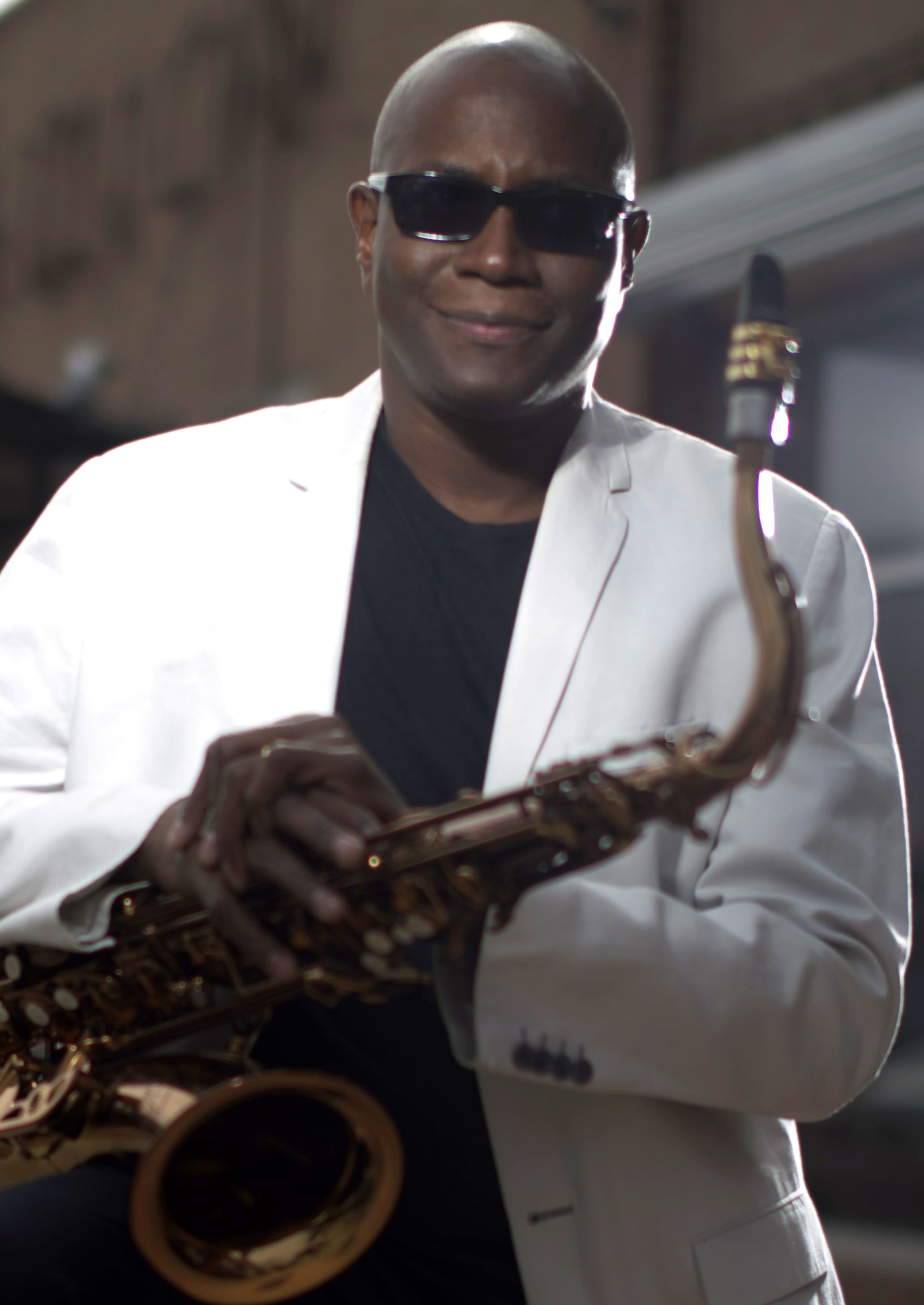
Shelley Carrol
born on October 26, 1964
Shelley Carrol is a tenor saxophonist carrying on the tradition of the big-toned, blues-infused “Texas tenor” sound. Born into a musical family in Houston, he studied early on with Texas tenor legends Arnett Cobb and Don Wilkerson. Read more...
There was a problem.
...